Featured Articles
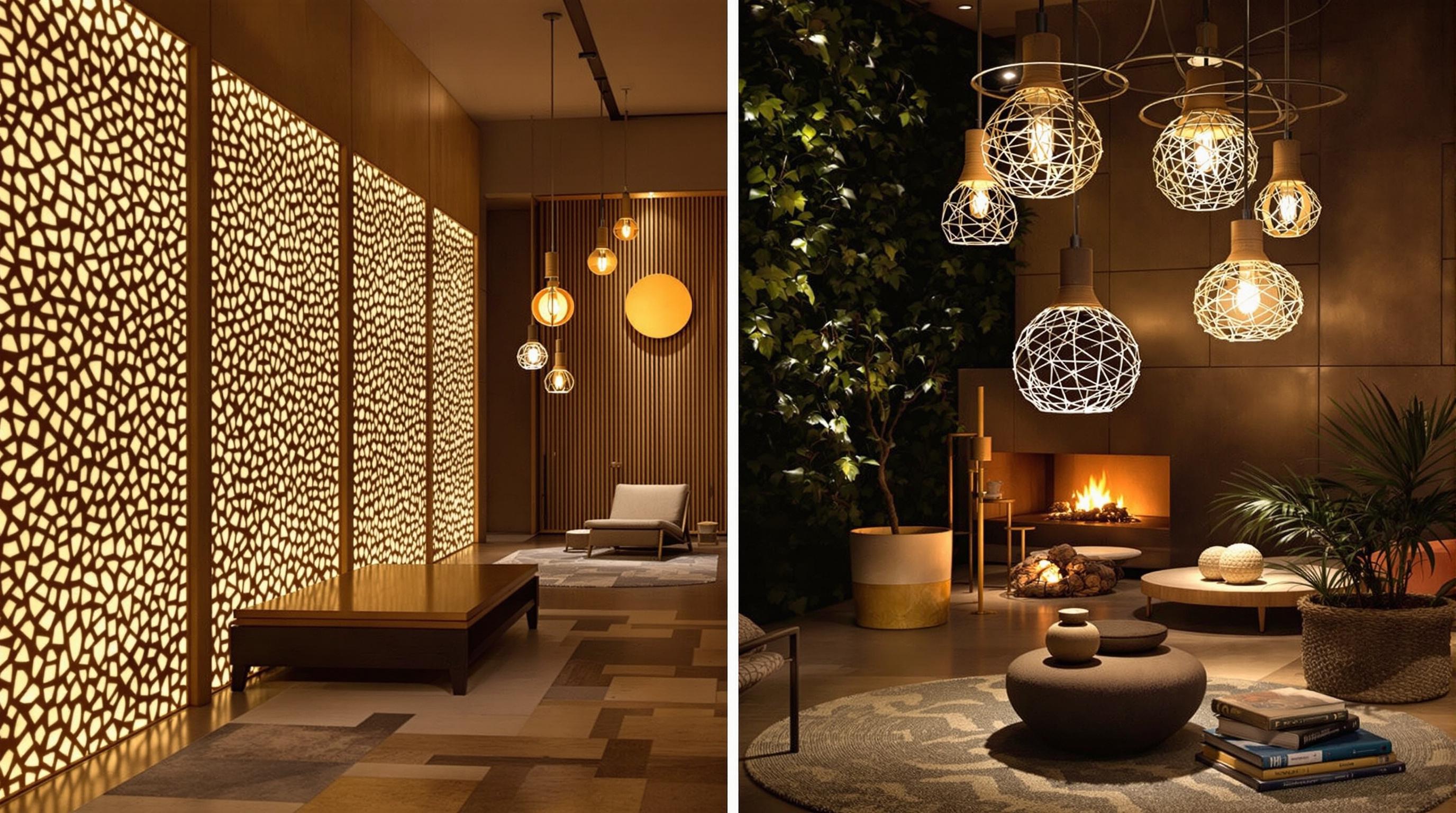
- 12 Innovative Home Lighting Ideas Inspired by Nature’s Hidden Patterns and Ancient Traditions
- 7 Best Human-Centric Lighting Fixtures Released Since 2019 That Truly Transform Your Living Space
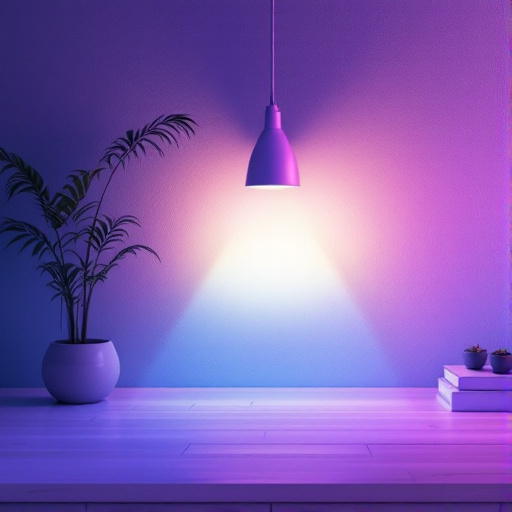
- Illuminate Your Mood: How Color Psychology in Home Lighting Can Affect Your Emotions and Well-Being
- Illuminate Your Mood: The Surprising Psychology of Color in Home Lighting Choices
- "Illuminate Your Mood: The Surprising Science of Light Colors and Emotional Well-Being at Home"
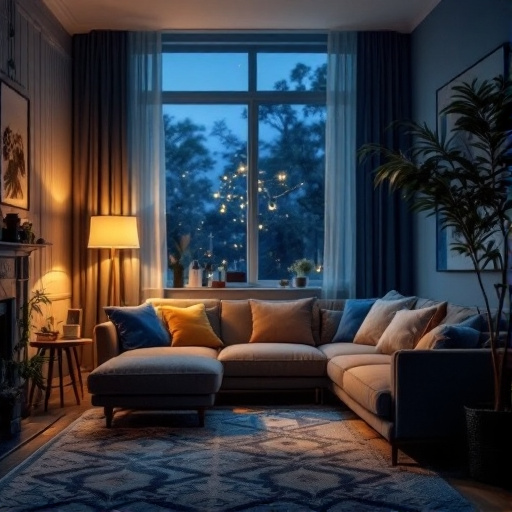
Illuminating Wellness: How Home Lighting Shapes Our Mood and Mental Health in Surprising Ways
Illuminating Wellness: How Home Lighting Shapes Our Mood and Mental Health in Surprising Ways
Home lighting significantly impacts our mood and mental health, often in ways we’re not conscious of. From setting the stage for relaxation to influencing productivity, this article delves into how the right lighting can be the unsung hero of our mental well-being.
The Power of Light: A Quiet Influence
Imagine walking into a room flooded with bright, harsh fluorescent lights. What’s your immediate reaction? For many, it’s a sense of stress and discomfort. Conversely, soft, warm lighting can evoke feelings of calm and contentment. The lighting we choose in our homes has a silent yet profound ability to shape our emotions and mental health.
Enchanting Statistics
Did you know that approximately 60% of Americans report feeling unhappy at home due to poor lighting? A study conducted by the American Psychological Association indicated that light exposure can significantly influence mood disorders such as Seasonal Affective Disorder (SAD). On the opposite side of the spectrum, folks living in well-lit homes – those utilizing natural light effectively – report a 20% higher satisfaction with their living conditions than their darker counterparts.
Case Study: The Hospital Effect
Consider the case of a hospital in Denmark that decided to change its lighting strategy. They replaced sterile overhead lights with full-spectrum, adjustable lighting that could mimic natural sunlight. The results? A notable decrease in patient anxiety and an enhanced sense of well-being among both patients and staff. This shift showcased that the color temperature and brightness of light can affect not just our mood but our physiological responses as well.
Color Me Calm or Crazy
The color temperature of your lighting plays an enormous role in mood modulation. For instance, softer yellow-toned lights create a cozy, comforting atmosphere perfect for winding down after a hectic day. On the other hand, blue-enriched lighting increases alertness, making it perfect for an energized workspace. A study from the University of Manchester illustrated that participants exposed to blue-light environments were up to 20% more productive than those in warmer light settings.
A Personal Story
Let me share my own experience; as a 26-year-old freelance writer working from home, I discovered the potent effects of lighting on my productivity and mood. On days when I relied solely on overhead fluorescents, I felt sluggish and uninspired. Then, I made a simple change: introducing soft, ambient LED lights and a touch of natural light through a nearby window. Not only did my writing sessions become more enjoyable, but my overall attitude improved dramatically. I felt happier, more engaged, and less stressed. It was as if I had found a hidden switch to my motivation!
Practical Tips for Illuminating Wellness
If you’re ready to harness the power of lighting for your well-being, here are practical tips to implement at home:
- Opt for Layered Lighting: Combine ambient, task, and accent lighting for a balanced feel in your rooms.
- Embrace Natural Light: Use curtains or blinds that allow some sunlight in during the day; a sunny room enhances mood.
- Experiment with Color Temperature: Use a mix of warm and cool lighting depending on the time of day and your mood.
Lighting and Mental Health
For those battling with mental health issues, the environment can be crucial. According to a report from the World Health Organization, environments that support natural light exposure can have therapeutic effects on those dealing with depression and anxiety. Having access to both natural light and lamps that simulate daylight can promote better sleep patterns, higher energy levels, and improved overall mental health.
Spotlight on Sleep
A hot topic of discussion in wellness circles today is sleep health. “You can’t get good sleep in a bad lighting environment,” claims sleep specialist Dr. Lucy J. Costello. “Melatonin production, crucial for healthy sleep, is disrupted by exposure to bright lights in the evening.” By incorporating dimmable lights and utilizing warmer colors in the evening, you can create a sanctuary conducive to restful sleep.
Light Therapy: More Than Just a Bright Idea
Light therapy boxes have gained popularity as a treatment for SAD and other mood disorders. These boxes simulate sunlight, helping those who are deprived of natural light feel more energized and uplifted. In a clinical study published in *Biological Psychology*, patients who engaged in light therapy reported a 60% reduction in depression symptoms within weeks. Safe to say, lighting isn't just about aesthetics; it can be an integral wellness tool.
The Humorous Side of Lighting Woes
Let's not forget the humor behind lighting choices! Ever walked into a living room with one of those dreaded overhead ceiling lights that immediately makes you feel like you're about to face judgment from the all-seeing lightbulb gods? Or how about when you attempt “mood lighting” with candles, only to realize you’ve actually created an ambiance reminiscent of a creepy horror film? Lighting can indeed take us on quite the adventure!
Creating Spaces for Connection
The kind of lighting in your home can also shape social interactions. Bright, inviting lights encourage gatherings, while dim, moody lighting may foster intimate conversations. A study led by environmental psychologist Craig Z. Wiggins found that people are more likely to open up and share personal stories in softer, warm-lit environments. If you're looking to enhance connections with friends and family, consider adjusting the lighting to facilitate these interactions.
The Quest for Balance
As we experiment with different forms of lighting, it’s essential to find balance. Too much artificial light, especially blue light from screens, can contribute to eyestrain and adverse mental health effects. The key takeaway? Curate your home’s lighting to serve your lifestyle and emotional needs, factoring in the times when you can bask in the glory of natural light, too.
Final Thoughts: Make the Switch
So, if you find yourself feeling a bit blue or less than motivated, look around you. What is the lighting saying about your environment? Whether you’re preparing to sleep, trying to be productive, or even setting the mood for a night with friends, lighting is your ally. Don’t overlook this simple yet powerful element in your life. After all, in the quest for wellness, perhaps the right light is the first step towards illuminating a brighter path.
Related Articles