Featured Articles
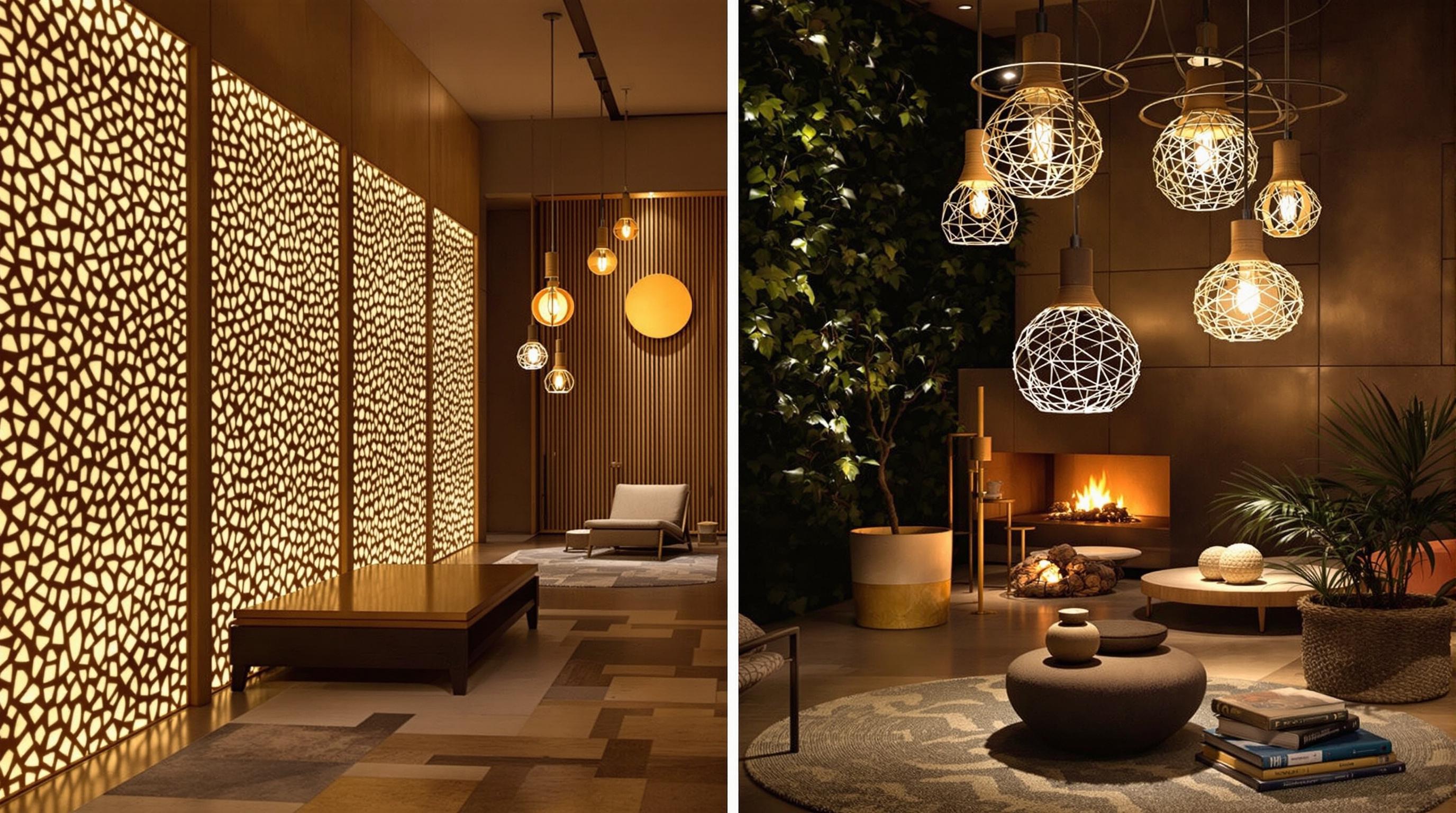
- 12 Innovative Home Lighting Ideas Inspired by Nature’s Hidden Patterns and Ancient Traditions
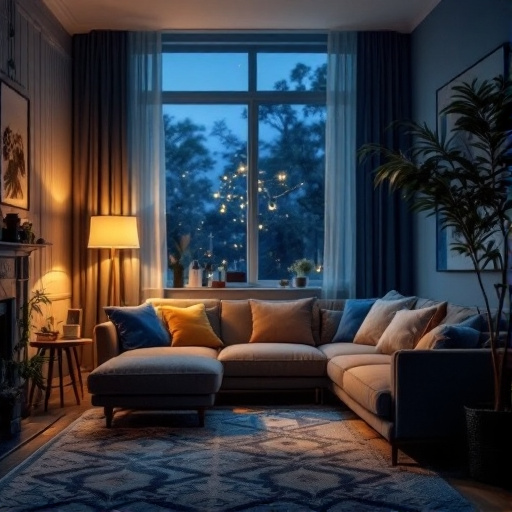
- 7 Best Human-Centric Lighting Fixtures Released Since 2019 That Truly Transform Your Living Space
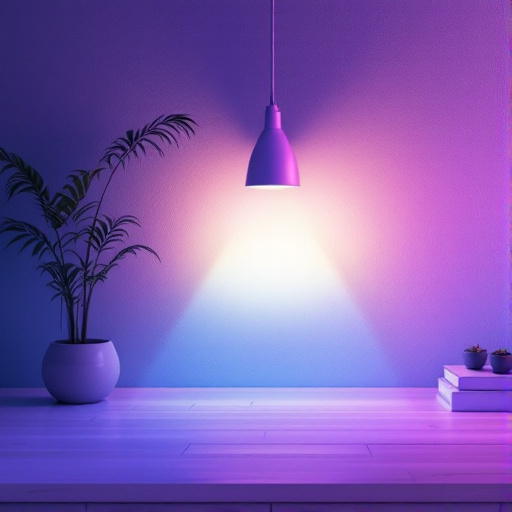
- Illuminate Your Mood: How Color Psychology in Home Lighting Can Affect Your Emotions and Well-Being
- Illuminate Your Mood: The Surprising Psychology of Color in Home Lighting Choices
- "Illuminate Your Mood: The Surprising Science of Light Colors and Emotional Well-Being at Home"
"Unseen Impacts: How Smart Lighting is Shaping Sleep Patterns and Mental Health in Homes"
"Unseen Impacts: How Smart Lighting is Shaping Sleep Patterns and Mental Health in Homes"
Smart lighting is revolutionizing our domestic environments in ways we’re only beginning to comprehend, significantly influencing both sleep patterns and mental health. Through the clever manipulation of light color and intensity, these systems can enhance well-being and promote healthier daily rhythms.
The Science Behind Light and Sleep
Light plays a crucial role in regulating our circadian rhythms, the internal biological clock that dictates when we feel awake or sleepy. The American Academy of Sleep Medicine stresses how exposure to blue light, particularly at night, can inhibit melatonin production—a hormone vital for sleep regulation (AASM, 2018). Conversely, smart lighting systems often mimic the natural light spectrum, promoting better sleep patterns by optimizing light exposure throughout the day.
The Transition to Smart Lighting
When I first installed smart lights in my home, I had no idea the impact it would have on my mood and sleep. Initially, it felt like a frivolous expense, a toy for my tech-savvy brain. But gradually, I noticed a change. The gentle evening dimming offered a cozy, relaxing ambiance that turned my often frantic evenings into peaceful transitions into bedtime.
Case Study: A Family Transformation
Consider the Johnson family, who switched to a smart lighting system last year. Their teenage daughter, Lisa, had been struggling with anxiety and sleep issues. After installing smart lighting that adapts to their daily routines, Lisa reported feeling calmer and more focused, leading to improved grades and reduced anxiety during her exams.
Ambient Light and Mental Health
It's not just sleep; smart lighting can influence mental health in profound ways. Numerous studies suggest that lighting can affect mood levels—soft warm lights tend to create a more relaxed atmosphere, while bright white lights can enhance alertness. A study published in the journal "Environmental Psychology" highlights how particular light settings can enhance emotional well-being, reducing instances of seasonal affective disorder (SAD) during gloomy months (Elliot & Fairchild, 2017).
Life Before and After Smart Lighting
Picture this: Before smart lighting, I lived in a dimly lit cave of despair. Evenings started with harsh overhead lights that kept me buzzing and anxious—a stark contrast to the tranquil atmosphere created by my current setup. Now, changing the light color based on my mood feels practically magical. It's no wonder that researchers claim our environments can either uplift or thwart our emotional states.
The Psychology of Color
Did you know that colors can evoke specific feelings? When it comes to smart lighting, the psychology of color plays a pivotal role. Warm tones like soft yellows or reds can encourage relaxation and comfort, while cooler tones can boost creativity and focus. According to color expert Angela Wright, specific colors can have psychological effects—blue lights may instill calmness and enhance productivity, while red lights can create a sense of urgency. So, why not use this knowledge to foster the perfect mood at home?
The Night Shift: Shift Work and Smart Lighting
For night workers, smart lighting becomes even more critical. For example, a study conducted by the National Sleep Foundation found that adjusting light schedules using smart lighting could alleviate issues related to jet lag and shift work (NSF, 2020). By mimicking outdoor light patterns, these systems can help regulate sleep cycles for individuals whose schedules are less than conventional.
The Cost Factor
Now, let’s pop the pragmatic bubble—are smart lighting systems worth the investment? If you're imagining a price tag that ranges from a few hundred to thousands of dollars, take a moment to consider the long-term benefits. The energy efficiency of LED smart bulbs, combined with the potential positive effects on your mental well-being, might make this a worthy investment. With data showcasing a 70-90% reduction in energy usage, the environment benefits too—making you a sustainable hero in the eyes of Mother Earth!
Accessibility and Smart Lighting for Mental Well-Being
Accessibility is a key factor in implementing smart lighting for everyone. Companies are increasingly designing intuitive systems that cater to all types of users, including those with limited mobility or visual impairments. An instance is the introduction of voice-activated devices allowing users to control their lighting settings effortlessly, fostering independence and mental comfort.
Future Innovations: The Next Generation of Smart Lighting
As technology progresses, the future appears luminous! Imagine a home that learns your preferences and adjusts automatically—this is the promise of artificial intelligence in home automation. Watch out for light fixtures that can adapt not just to the time of day but even to your mood, monitoring physiological cues to create an optimal living environment.
Balancing Technology with Nature
The tension between technology and our innate sense of nature surfaces when we consider smart lighting. Our technology-driven world often detaches us from natural phenomena, but the truth lies in harmonizing the two. Think of smart lighting as a bridge, allowing us to bring the benefits of nature into our digital lives—this indicates a healthier, happier approach to modern living.
A Conversational Conclusion
In wrapping this conversation about smart lighting, let me ask you this: What does your current lighting say about you? After all, it’s more than just functional—it’s about creating a sanctuary that nurtures our sleep and mental health. While these systems may seem futuristic, embracing them can reflect a mindful approach to our home environments. Can we agree that brightening our lives might just mean darkening our rooms at the right times?
Final Thoughts: Changes to Make Today
Feeling inspired? Here are a few takeaways to enhance your home environment immediately:
- Switch to LED bulbs for better energy efficiency and longer lifespan.
- Consider adjusting lighting schemes to mimic natural sunlight throughout the day.
- Experiment with different colors and brightness to see what feels best for your mood.
- Install smart lighting systems that can be easily controlled via smartphones or voice commands.
There’s no denying the profound impacts of smart lighting on our everyday lives. As we adapt and respond to these changes, let’s allow our homes to be a canvas—a place where every hue, brightness, and installation reflects not just our aesthetic, but our well-being too. Remember, the light you let in can transform both your sleep and your mental health, illuminating the unseen impacts along the way.
Related Articles