Featured Articles
- 7 Innovative Smart Lighting Systems Released Since 2019 That Redefine Your Room’s Mood and Style
- Decorating with Shadows: The Art of Light Manipulation for Unique Room Ambiance
- "Embracing the Weird: Unconventional Room Decor Ideas Inspired by Quirky Miniature Worlds"
- Quirky Comfort: Blending Vintage Finds with Futuristic Aesthetics for Unique Room Decor
- "Revamping Spaces: How Eclectic Home Decor Reflects Personal Identity and Storytelling"
Decorating with Shadows: The Art of Light Manipulation for Unique Room Ambiance
Decorating with Shadows: The Art of Light Manipulation for Unique Room Ambiance
Transforming a room from mundane to magical often hinges on the interplay of light and shadow. By mastering the art of light manipulation, you can create unique ambiances that challenge perception and elevate the experience of any space.
Understanding Light and Shadow
To appreciate how shadows can transform a space, it’s essential to grasp the fundamentals of light. Light can be natural or artificial, and each type influences how we perceive our surroundings. Natural light varies throughout the day; for instance, according to the United States Department of Energy, relying on natural light can reduce lighting costs by 50% to 70% in residential buildings.
The Science Behind Shadows
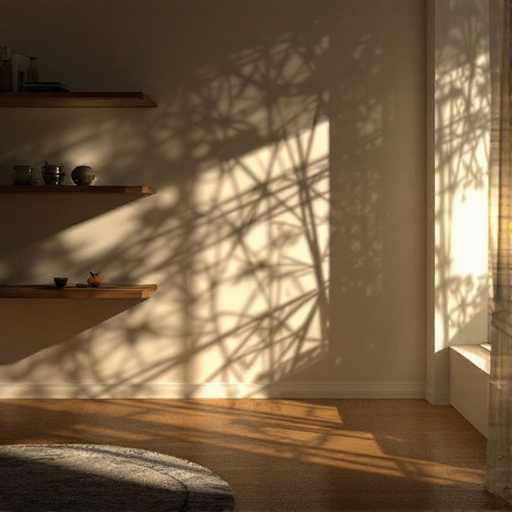
Shadows are simply the intervals of darkness created when light is obstructed. The longer the shadow, the softer the transition from light to dark, often creating a more tranquil atmosphere. For example, in the evening glow of sunset, shadows stretch and elongate, giving spaces an incredibly serene ambiance. Conversely, harsh midday light can create stark shadows that lend a more dramatic feel to a room.
Case Study: The Magic of Window Treatments
Consider a study by the National Lighting Bureau, which highlights how various window treatments impact light direction and shadow play. An apartment in New York City, redesigned with sheer curtains, demonstrated a 30% increase in the perception of space—a result of the gentle diffusion of light and the soft shadows cast around the room. Such seemingly minor details have profound effects on how we feel in our environments.
Methods to Manipulate Light
Now that we’ve laid the groundwork, let’s turn our attention to practical techniques that can help you manipulate both light and shadow to create desired effects in your home.
1. Architectural Features
Architectural elements like alcoves, archways, and beams can affect how light travels through your space. For instance, a well-placed archway can create a transitional shadow that directs the eye through your living space. During the daytime, you may allow natural light to flow freely, while dimming artificial lights to enhance the shadows in the evening.
2. Strategic Lighting Choices
Your choice of lighting can make all the difference. Consider using dimmable LED lights that allow you to adjust the intensity based on the time of day and your mood. Also, try directional lighting to pinpoint specific areas, creating an interplay between illuminated spots and shadowy corners. A study by the American Lighting Association found that properly layered lighting contributes to over 40% of users having a better satisfaction level in their homes.
Examples of Decor that Emphasize Shadows
When decorating with shadows in mind, furniture selection is critical. Choose pieces that cast interesting shadows, such as chairs with intricate designs or even sculptures and plants with dense foliage. The material also affects shadowplay; glass tables create reflections and elongated shadows, enriching the visual experience.
3. Color Palette Considerations
The colors you choose in a room can greatly affect how shadows are perceived. Darker hues absorb light, emphasizing shadows and creating a more intimate atmosphere. Meanwhile, lighter shades reflect it, softening shadow lines. According to color expert Leatrice Eiseman, using a color palette effectively can enhance emotional well-being in spaces. Sounds science-y, right?
4. Artful Displays
Art is another powerful tool to play with light and shadow. Use wall-mounted pieces that cast unique shadows throughout the day. Consider a large, airy piece, like a mural or a dynamic sculpture, for your main focal point to invite curiosity and exploration. When natural and artificial lighting interact with the art, they create innovative and ever-changing displays. As scene-stealers, they elevate the energy of your space.
The Conversational Power of Shadows
Take a moment to think about that one room in your house where you feel at peace. Does it have big bay windows softly inviting warm daylight or dim corners where shadows shroud mysteries? Each shadow tells a story—sometimes it’s about what’s in the room, and other times, it’s about whispers of life outside the windows.
Personal Anecdote: My Shadowed Adventure
Once, while decorating my living room, I decided to invest in a series of colored LED lights, cleverly shifting hues depending on the hour. By evening, vibrant reds and blues transformed my space, and the shadows danced across the wall like a playful kitten. Friends adored the atmosphere and started asking for my “secret recipe” to awesome ambiance. I simply replied, “It’s all in the shadows.”
Utilizing Shade Structures Outdoors
Let’s not forget about the outdoors, where shadows can be just as compelling. Pergolas, canopies, and shade sails can carve out shadowy retreats in your garden or patio. Architects have long known this—outdoor living spaces benefit significantly from planned shadow architectures. For example, according to research in the Urban Forestry & Urban Greening Journal, well-placed shade structures can lower outdoor temperatures by up to 20 degrees Fahrenheit. Which, let’s be honest, is practically life-saving during a summer BBQ!
Light Reflections: Mirrors as Tools
Mirrors not only enhance light in a room but also affect shadows in fascinating ways. Strategically placing a mirror across from a window can amplify sunlight, creating cheerful radiance throughout your space. A fun trick? Use mirrors with ornate frames to reflect and play with shadows, creating depth and visual interest in otherwise flat areas. It’s like having a mini-disco party in your living room, minus the flashing lights—unless that’s your vibe!
Advertising the Shadowed Secrecy
So, here’s a little secret: shadows can sell your space, too. A study conducted by the National Association of Realtors revealed that homes with dynamic lighting and shadow applications had a 15% faster sale rate compared to those without. In an age where emotional connection drives home purchases, appealing shadows can stir a buyer's imagination, inviting them to picture their life in the space.
The Emotional Connection of Spaces
Research shows that our environment dramatically alters our emotions. The presence of thoughtful shadows can instill comfort, calmness, and even inspiration. In therapeutic settings, gentle lighting conditions transform rooms into sanctuaries, significantly reducing stress levels. According to the Journal of Environmental Psychology, bright, well-lit spaces are linked to enhanced creativity. Who wouldn’t want to write their next bestseller bathed in enchanting shadows?
Breaking Light with Technology
As technology advances, smart lighting allows for even more precise control over your shadow play. Smart bulbs that can change color, brightness, and intensity based on your preferences or routines can elevate your interior to new heights. Install an app, and voila! You can manipulate shadows even while you’re lounging on the couch binge-watching your favorite series.
Accessibility in Shadow Play
Moreover, accessibility in design has expanded the opportunities for manipulating light and shadows. For individuals with disabilities, smart technology has made it easier to navigate and control the ambiance of their environments, thus playing a crucial role in emotional and psychological comfort.
Conclusion: Embrace the Art of Shadows
Decorating with shadows is an art that goes beyond mere aesthetics; it’s about creating experiences and moments in our homes. As you navigate your own space, remember to embrace the shadows and light in ways that resonate with your personal style. After all, light can reveal, but shadows… shadows can enchant.
So, whether you're cozying up with a book in a shadowy nook or hosting a gathering with friends basking in the glow of strategically placed lamps, let the dance of light and shadows enhance your moments. In the grand tapestry of design, shadows are not merely the absence of light; they are the accents that add depth, emotion, and personality. Embrace the magic! ✨
Related Articles