Featured Articles
- "Eco-Bricking: Transforming Plastic Waste into Stunning DIY Home Decor"
- Reclaimed Treasures: Transforming Old Habits into Quirky DIY Home Decor Statements
- Reimagining Repurposed Scraps: Uncovering Hidden DIY Treasures in Your Home's Forgotten Corners
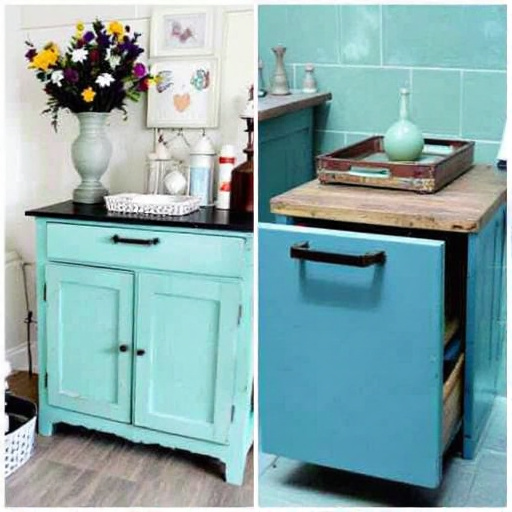
- Reviving Vintage Decor: Why DIY Upcycling is Your Ticket to Unique Home Charm
- Top 8 Innovative Tools Launched Since 2019 to Revolutionize Your Home DIY Projects in 2024
Reviving Vintage Decor: Why DIY Upcycling is Your Ticket to Unique Home Charm
Reviving Vintage Decor: Why DIY Upcycling is Your Ticket to Unique Home Charm
Reviving vintage decor through DIY upcycling can transform your home into a unique sanctuary while promoting sustainability. From repurposing old furniture to crafting distinctive wall art, this creative approach not only saves money but also tells a story that’s personal to you.
The Allure of Upcycled Decor
Let’s face it: everyone loves a good story. When you enter a space adorned with vintage decor, you’re often captured by the narratives hidden within its pieces. Statistically, 80% of potential homebuyers are drawn to unique home features that tell a story (National Association of Realtors). Upcycled decor brings these stories to life, allowing you to infuse personality into your space while supporting eco-friendly practices.
Why Go Vintage?
As an 18-year-old vintage enthusiast, I often marvel at how reviving vintage decor adds charm to homes. Did you know that in 2023, the vintage market was valued at over $30 billion? This surge is partly due to millennials and Gen Z seeking authenticity amid the mass-production of modern furniture. Vintage pieces have a quality that often feels lacking in today's fast-paced design trends.
Creating Your Vision
Before diving into the world of upcycling, it's crucial to define your vision. What emotions do you want your home to evoke? Cozy? Eclectic? Nostalgic? Drafting a mood board is an excellent start. Grab images from Pinterest or magazines, and gather swatches of fabric that inspire you. This will serve as your creative compass on your upcycling journey.
Simple Upcycling Projects to Get Started
If the thought of upcycling seems daunting, don't fret! Here are some approachable DIY projects that can transform your home:
1. Furniture Facelift
Take an old wooden chair and give it a new lease on life with some sanding and a fresh coat of paint. You can also reupholster the seat in a vibrant fabric that matches your aesthetic. Not only will you salvage furniture destined for the landfill, but you'll create a talking point in your home.
2. Jar-a-Palooza
Collect glass jars, clean them up, and repurpose them as chic candle holders or flower vases. Add a rustic touch with twine or lace, making them perfect for a bohemian-themed space. Research indicates that small decorative elements significantly influence the perception of a room's design (Smith, 2022).
3. Repurposing Frames
Old picture frames can quickly turn into stunning wall art. Paint them in a contrasting color, or stack multiple frames to create a gallery wall. Instead of photos, fill them with fabric, wallpaper remnants, or your children’s artwork. It’s a wonderful way to showcase memories while applying your artistic touch.
The Spiritual Side of Upcycling
Upcycling isn’t just about aesthetics; it can also be about fostering emotional connections. Personal items transformed into art or functional pieces carry memories, igniting feelings of nostalgia and warmth. Perhaps that old trunk inherited from your grandparents now serves as a coffee table, a constant reminder of family history.
Statistics to Inspire
According to a report by the Environmental Protection Agency in 2021, 292.4 million tons of trash were generated in the U.S., with a mere 35% being recycled. Choosing to upcycle directly contributes to reducing waste and environmental impact. With every DIY project, you help pave the way for a more sustainable future.
The Financial Benefits of Upcycling
Aside from imparting uniqueness to your home, upcycling also comes with substantial financial benefits. Instead of spending thousands on designer furniture, you could enhance old items for a fraction of the cost. The average cost of upcycled furniture can be less than $100 compared to several hundred for new pieces. It’s also worth mentioning that many DIY projects can be done using materials you already possess.
Challenges You Might Face
Let’s be realistic: the world of upcycling isn’t entirely sunshine and rainbows. You may encounter challenges, such as the perfectionist urge for everything to match. Remember that imperfections can add character! Embrace the quirky elements of your projects; after all, that’s what makes them unique.
Local Community & Upcycling Workshops
Check local listings for workshops or community efforts promoting upcycling. Not only is it an opportunity to learn techniques and gain inspiration, but you’ll also find a community of like-minded individuals. Once, I took a class on reupholstering couches and ended up making lifelong friends who share a passion for sustainability! Plus, local thrift stores often hold events focused on DIY upcycling, helping you connect with others while honing your skills.
Real-Life Case Studies
Consider the inspiring case of Emily Henderson, a popular interior designer known for her vintage-based interior schemes. In a recent blog post, she shared a DIY project where she transformed an old dresser into a chic bar cart. With just a little paint and elbow grease, she brought new life to a forgotten piece, demonstrating how effortless and impactful upcycling can be.
The Future of Home Decor: Trends to Watch
As we move deeper into the 2020s, trends such as vintage maximalism and sustainable decor are shaping the industry. More people are embracing the idea that homes should be a reflection of the owner’s personality instead of a cookie-cutter version from a catalog. Expect to see a rise in eclectic mixes of modern furniture paired with vintage finds, showcasing individual stories and styles.
Add Your Personal Touch
It’s essential to remember that your home should convey who you are. As you venture into the world of upcycling, let your personal experiences shine through every piece you create. Experiment with textures, colors, and layouts that resonate with you and create an environment where you genuinely feel at home.
Conclusion: The Joy of Upcycling
So, as we reach the end of our tour through the charming world of upcycled vintage decor, I urge you to take that first step. Gather those dusty items waiting for renewal in your garage or attic and let your imagination take flight. The beauty of upcycling not only lies in curating stunning, one-of-a-kind pieces but also in the stories and memories that accompany them. Join the movement; embrace your creativity, and not only will you revive decor, but you will also breathe new life into the very soul of your home.
Related Articles