Featured Articles
- "Eco-Bricking: Transforming Plastic Waste into Stunning DIY Home Decor"
- Reclaimed Treasures: Transforming Old Habits into Quirky DIY Home Decor Statements
- Reimagining Repurposed Scraps: Uncovering Hidden DIY Treasures in Your Home's Forgotten Corners
- Reviving Vintage Decor: Why DIY Upcycling is Your Ticket to Unique Home Charm
- Top 8 Innovative Tools Launched Since 2019 to Revolutionize Your Home DIY Projects in 2024
Unearthing Forgotten Corners: Crafting Home Treasures from Oddities and Overlooked Spaces
Unearthing Forgotten Corners: Crafting Home Treasures from Oddities and Overlooked Spaces
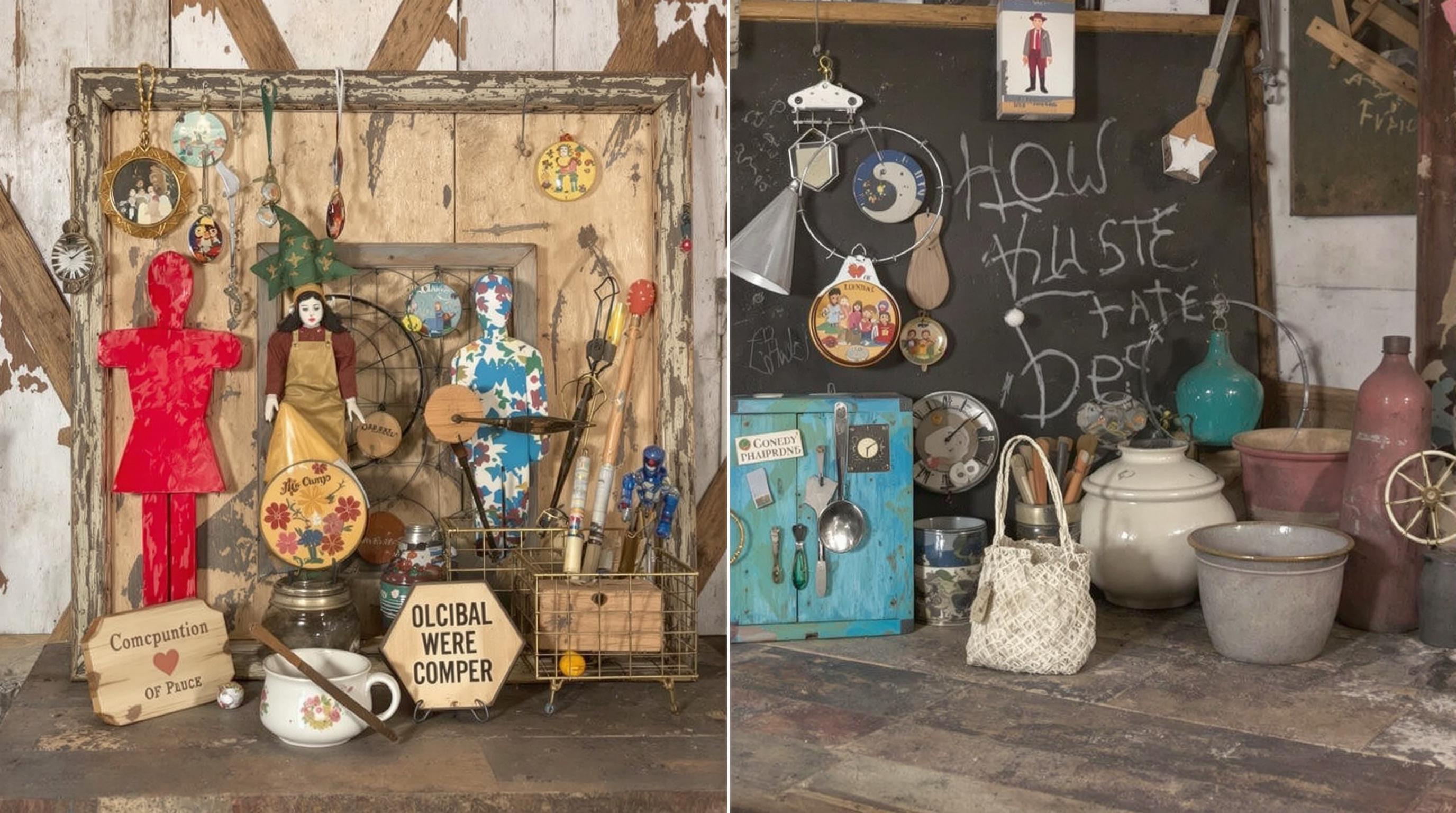
In this exploration of transforming overlooked spaces and forgotten objects into cherished home treasures, we journey through practical tips, inspiring stories, and a blend of tones to ignite creativity and foster a deeper connection to our living spaces. From reclaiming attic oddities to revamping neglected nooks, discover how the art of unearthing forgotten corners cultivates personality, purpose, and sustainability within our homes.
The Art of Discovery: Finding Value in the Overlooked
Have you ever walked past an unused corner or a dusty chest of drawers and thought, “There’s got to be something here”? This feeling of latent potential is the driving force behind crafting treasures from the oddities and overlooked spaces in our homes.
Consider Amanda, a 42-year-old mother of two, who found an old, cracked mirror in her basement. Instead of discarding it, she refinished the frame and hung it in her entryway, creating a focal point that guests now admire endlessly. Her story is not unique—the practice of repurposing and rediscovering forgotten items has both emotional and ecological benefits.
Statistics Speak: Sustainability through Rediscovery
According to a 2022 report from the Environmental Protection Agency (EPA), more than 12 million tons of furniture and home furnishings are discarded yearly in the United States alone, constituting a significant share of landfill waste. By breathing new life into overlooked items instead of buying new, homeowners reduce environmental footprints while enjoying personalized décor.
A Casual Conversation on Creating Cozy Corners
Imagine chatting with a friend about that awkward nook near your staircase or the underutilized space beneath a window. “Why not turn it into a mini-library or a reading nook?” you might suggest, envisioning plush cushions, warm lighting, and shelves crammed with your favorite books.
This casual brainstorming reflects a trend many are embracing: transforming forgotten corners into functional, inviting zones. Such spaces can boost mental wellbeing by providing sanctuaries designed precisely to your tastes and needs.
Storytelling: The Attic That Became a Gallery
Last year, 60-year-old Harold decided to confront the “monster” above his garage—an attic full of boxes untouched for decades. As he sifted through old photographs, vintage postcards, and handmade crafts, an idea sparked. Harold curated a home gallery wall, celebrating his family’s history and his own artistic leanings. This tangible connection to ancestral narratives created a treasured, personalized environment that guests now adore.
A Persuasive Push: Why You Should Embrace Your Odd Corners Now
Still hesitant? Think of the financial and psychological savings in rejuvenating what you already possess. With rising costs of living and environmental degradation, crafting home treasures from existing oddities is not just an aesthetic choice but an ethical one.
Moreover, research in environmental psychology suggests that personalized home environments significantly improve mood, reduce stress, and increase productivity (source: Journal of Environmental Psychology, 2020). The act of reclaiming and transforming space itself can be therapeutic, grounding, and empowering.
Humor in the Dust: The Funny Side of Unearthing
It’s not always a smooth journey. For example, finding a box labeled “miscellaneous” inevitably leads to time-warped surprises—like Harold’s discovery of bell-bottom jeans tucked under mothballs or Amanda’s rogue collection of novelty mugs from college. These unexpected encounters remind us that the process of unearthing can be a hilarious, nostalgic trip down memory lane, packed with both charm and chaos.
Simple Steps to Begin Your Home Treasure Hunt
1. Set aside time: Dedicate a weekend or even just an afternoon to explore forgotten spaces.
2. Sort systematically: Categorize items into keep, repurpose, donate, or recycle.
3. Get inspired: Look online for DIY refurbishing tips, or visit local workshops.
4. Use existing materials creatively: Old ladders become bookshelves; leftover fabric turns into throw pillows.
5. Document your progress: Before and after photos keep the motivation alive.
Case Study: The Small Apartment, Big Impact
Jessica, an 18-year-old university student living in a compact city apartment, applied these principles on a tight budget. By converting an unused corner beneath her loft bed into a vibrant study space using reclaimed wood and thrifted lamps, she maximized her limited square footage while infusing her personality into her environment.
Her success story illustrates that no space is too small or too ordinary to be transformed. Rather, the charm lies in creativity and intention.
Formal Reflection: The Philosophical Essence of Home
Philosophers like Gaston Bachelard have long asserted that home is not simply a shelter but a manifestation of our inner worlds. To unearth forgotten corners and extract treasures is to engage in a profound dialogue between self and space. It reflects a desire to organize chaos, to impose meaning, and ultimately to craft a sanctuary where stories embody our essence.
Conclusion: The Journey, Not Just the Destination
In conclusion, breathing life into oddities and overlooked nooks within our homes transcends mere decoration; it is an act of sustainability, storytelling, and self-expression. Whether you’re 16 or 70, the process invites all to reimagine their environments, revealing hidden beauty and crafting a home that resonates deeply with personal history and values.
So next time you spot that dusty corner or forgotten trinket, remember: treasures often lie where least expected, waiting patiently for you to uncover their stories.
Related Articles