Featured Articles
- "Eco-Bricking: Transforming Plastic Waste into Stunning DIY Home Decor"
- Reclaimed Treasures: Transforming Old Habits into Quirky DIY Home Decor Statements
- Reimagining Repurposed Scraps: Uncovering Hidden DIY Treasures in Your Home's Forgotten Corners
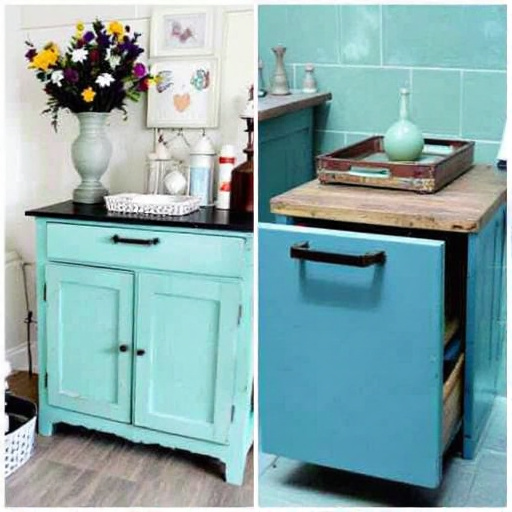
- Reviving Vintage Decor: Why DIY Upcycling is Your Ticket to Unique Home Charm
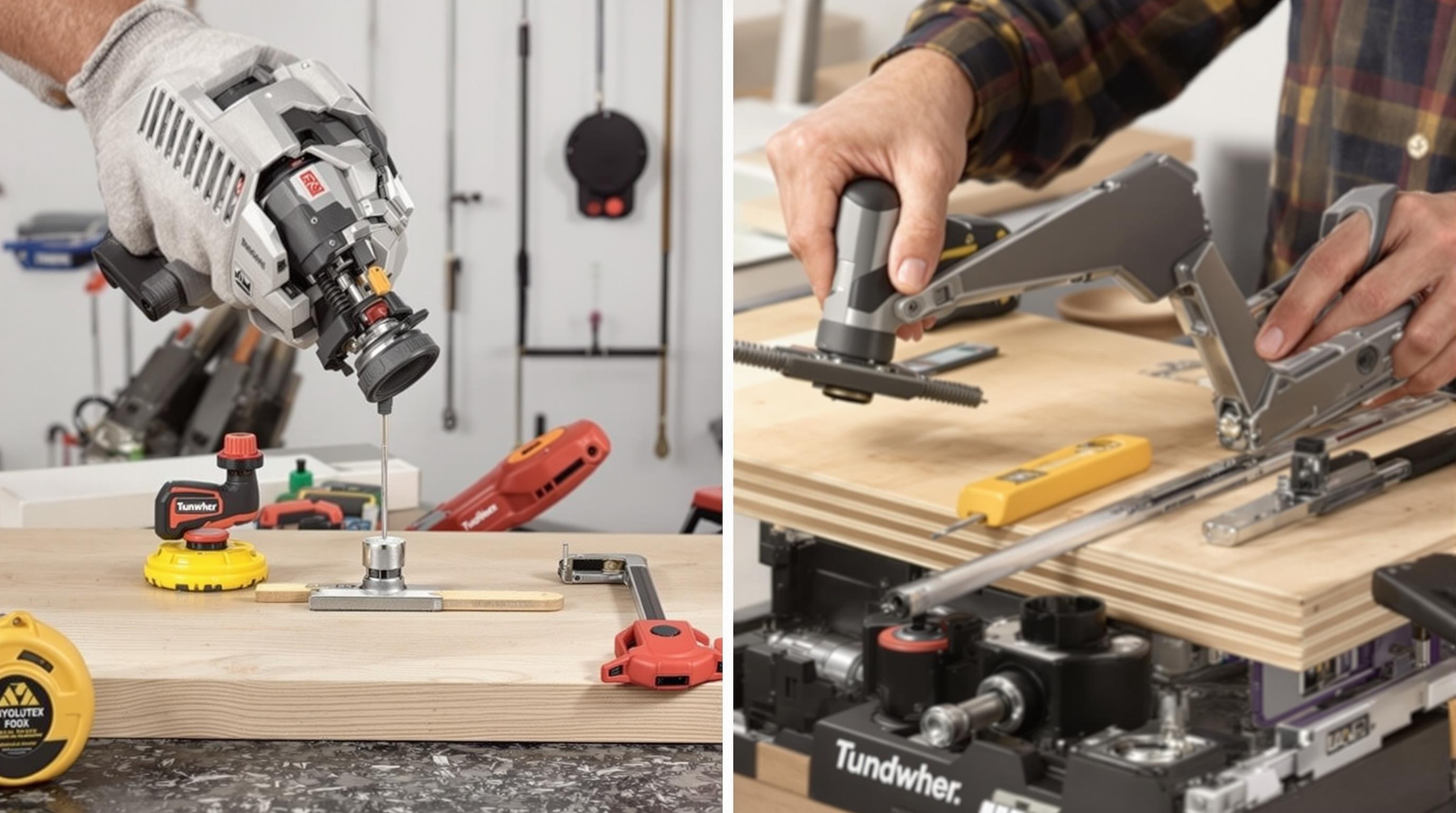
- Top 8 Innovative Tools Launched Since 2019 to Revolutionize Your Home DIY Projects in 2024
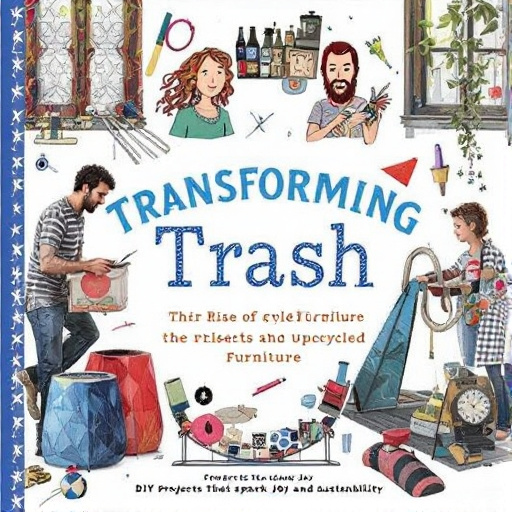
Transforming Trash: The Rise of Upcycled Furniture DIY Projects That Spark Joy and Sustainability
Transforming Trash: The Rise of Upcycled Furniture DIY Projects That Spark Joy and Sustainability
Upcycling furniture is not just a trend; it’s a movement that combines creativity with sustainability, transforming discarded items into functional art. As people increasingly seek to spark joy in their lives and reduce waste, DIY upcycling projects have become a popular avenue for personal expression and environmental responsibility.
Why Upcycling Furniture is Gaining Popularity
As per a survey conducted by the American Institute of Architects, around 96% of homeowners expressed interest in sustainable practices when remodeling their homes (American Institute of Architects, 2022). This growing consciousness about the environment has birthed a plethora of DIY furniture projects that allow individuals to contribute to sustainability while also revitalizing their living spaces.
The Joy of Creating
Picture this: You stumble across an old wooden chair at a garage sale, its paint chipped and its cushions threadbare. Instead of dismissing it as trash, you envision how a fresh coat of paint and new upholstery could turn that chair into a quirky piece of art for your living room. This hands-on approach not only enhances your creativity but also infuses your space with a story—your story.
Statistics That Matter
According to the Environmental Protection Agency (EPA), furniture waste comprises approximately 9.5 million tons of the total waste generated in the United States every year (EPA, 2023). With the staggering statistics regarding furniture waste, every small upcycling project contributes significantly to reducing landfill overflow.
A Step-by-Step Guide to Upcycling Furniture
Let’s break down a simple DIY project that transforms a standard wooden pallet into a chic coffee table. All you need are a few basic tools: sandpaper, paint or wood stain, and a sealant. Here’s how to get started:
- Find Your Pallet: Look for a clean, sturdy pallet. Ensure it’s free of chemicals—look for the heat treatment stamp.
- Prep Your Pallet: Sand it down to avoid splinters and stabilize the wood.
- Add a Splash of Paint: Choose a color that complements your décor; acrylic paints work well.
- Seal the Deal: Apply a clear sealant to protect your coffee table from spills and scratches.
Once complete, you've not only created something functional but also reduced waste, contributing to a more sustainable lifestyle.
Building a Community of Creatives
It's not just about individual projects; communities are springing up around the joy of upcycling. Various workshops, both online and offline, offer resources and hands-on experiences for those looking to dive into DIY furniture repurposing. Social media platforms like Instagram and Pinterest are teeming with creative people sharing their upcycled furniture successes, making inspiration just a click away.
The Emotional Connection
In a world dominated by mass production, upcycling brings an emotional connection back into home décor. A piece of furniture that reflects personal effort and creativity often holds more sentimental value than anything store-bought. As Marie Kondo famously said, “The objective of decluttering is to spark joy.” Upcycled furniture does just that, providing both aesthetic beauty and a record of your creative endeavor.
Humor in Upcycling: When Things Go Wrong
Of course, upcycling isn’t always a smooth ride. Remember the time you tried to refinish that antique table with a beautiful gray stain, only to find out it turned out more like "battled" gray? We've all had those moments where the stain painted our dreams a little less rosy, making friends laugh and turning social media into a gallery of 'expectation vs. reality.' But that’s part of the charm! Every mishap is a story worth telling, and you might just inspire someone to try their hand at upcycling despite the risks.
Successful Case Studies
Case studies abound in the realm of upcycled furniture. Take the story of a woman named Jenna, who transformed her sunroom into an eco-friendly haven by sourcing upcycled furniture from local thrift shops and garage sales. According to her blog, she managed to save about 5 tons of waste from landfills while creating a unique space reflecting her personality (Jenna's Eco-Vibe, 2023). This story illustrates that individual efforts can accumulate into a significant impact.
Expanded Horizons: Beyond the Home
Upcycling isn't limited to furniture; its embrace extends to a plethora of items, encouraging creativity in more than just living spaces. Think about how bicycles, old doors, and even kitchenware can be upcycled into stunning home accents. A repurposed bicycle can become a striking garden planter, or an old door might serve as a fabulous tabletop. The possibilities are as vast as your imagination.
Tips for Beginners
If you're just starting your upcycling journey, here are some tips to keep in mind:
- Start Small: If you're a novice, begin with smaller items like stools or side tables.
- Be Open to Imperfection: Understand that mistakes will happen; embrace them as part of the journey!
- Research and Gather Inspiration: Websites like Pinterest are treasure troves of ideas.
- Always Choose Quality over Aesthetics: Sometimes, the most unattractive pieces will have the best bones.
Long-Term Benefits of Upcycling
In addition to fostering creativity and sustainability, upcycling actively engages communities and enhances mental well-being. Activities that involve hands-on crafting can alleviate stress and provide a sense of accomplishment for both the young and the old alike. According to a study by the University of Massachusetts, DIY activities can boost happiness levels by up to 70% (University of Massachusetts, 2021). It's a win-win: a fun, therapeutic activity that protects the planet!
Creating an Eco-Friendly Fashion Statement
Uniqueness aside, upcycled furniture often becomes a conversation starter. Imagine hosting a gathering where guests are admiring your one-of-a-kind pieces and asking about their backstory—it’s one of the variations that truly sparks joy. You create not just a living space but a lifestyle that embodies sustainability and creativity.
Sharing the Love
Once you’ve completed your marvelous creations, consider sharing your journey on social media. Join local upcycling groups, participate in community workshops, or even organize upcycling events. You might find that your endeavors inspire others to join the movement—who knows, you may even start a local upcycling revolution!
Final Thoughts: Embrace the Transformation
Upcycled furniture projects are more than just a way to spruce up your home; they represent a commitment to sustainability and creativity in a throwaway culture. With every piece you transform, you contribute to a greener planet while also finding joy in the process. So what are you waiting for? Dive into the world of upcycling, let your imagination run wild, and transform trash into treasures that spark joy!
Related Articles